-
We tend to turn towards lower decibels of speech to relay the unacceptable. Tenors that have the capacity to conceal, and yet allow circulation. Sonic networks that make room for what is otherwise deemed disruptive. Sinful. Uncomfortable.
Can whispers, then, be seen to sustain what society does not wish to confront? What would it take to reclaim this frequency in the public eye?
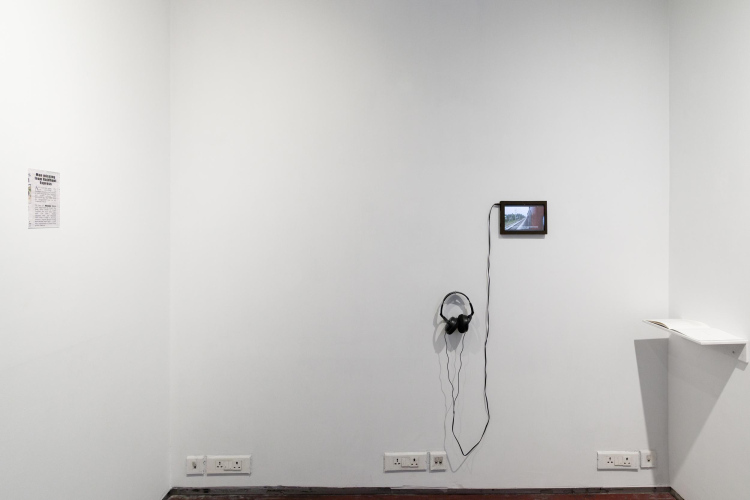
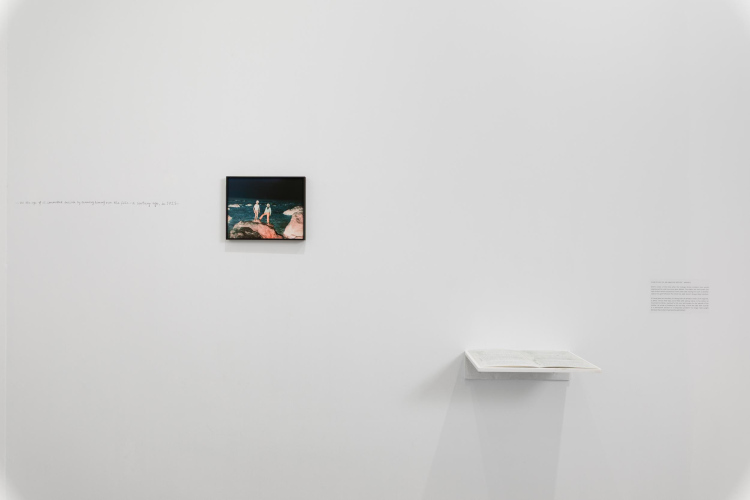
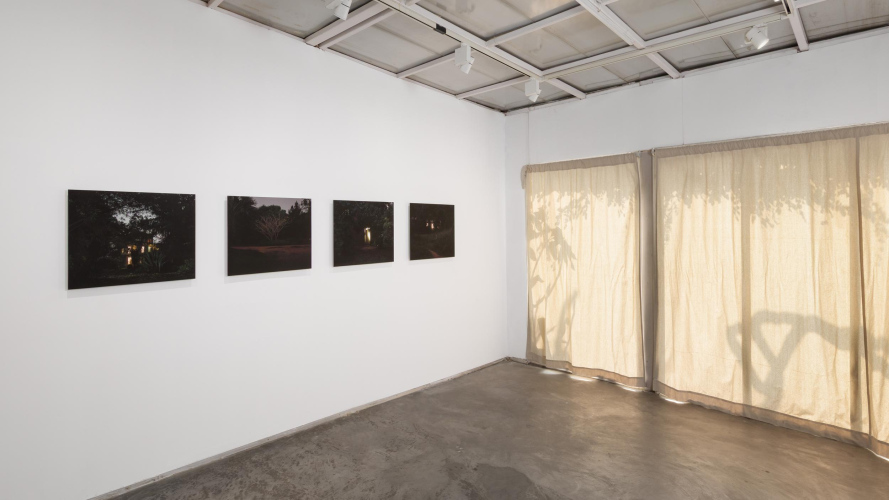
A chance encounter with a diary found on a train compels Soumya Sankar Bose to embark on a journey that plunges him into the intimate lives of strangers. Each one bound to the next not just through Brinni–the unknown author of the diary–but by their brush with life’s inevitable end. Death stains each of the pages, filled with fragmented notes that reference incidents of self-harm, struggles with mental health and mysterious disappearances. Picking from among these strands, Bose makes images in response to the diary notes and in this process, chases that which often eludes capture—the potent mixture of memory, psychological distress and the passage of time.
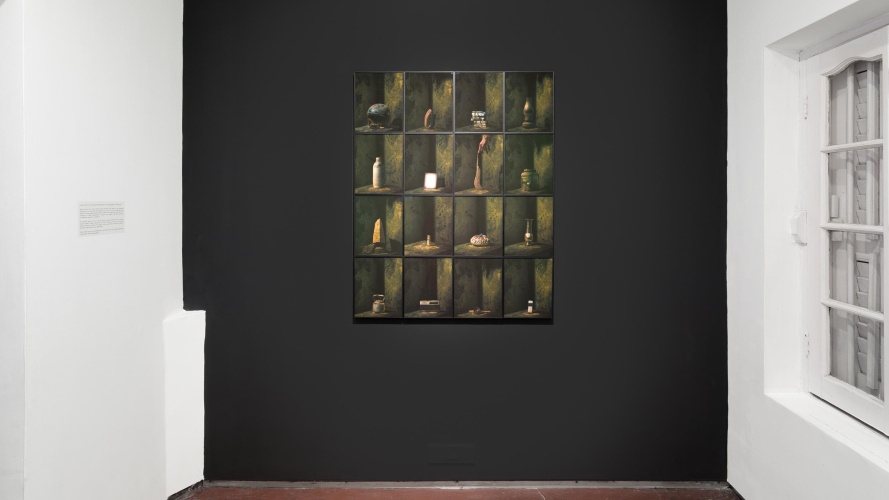
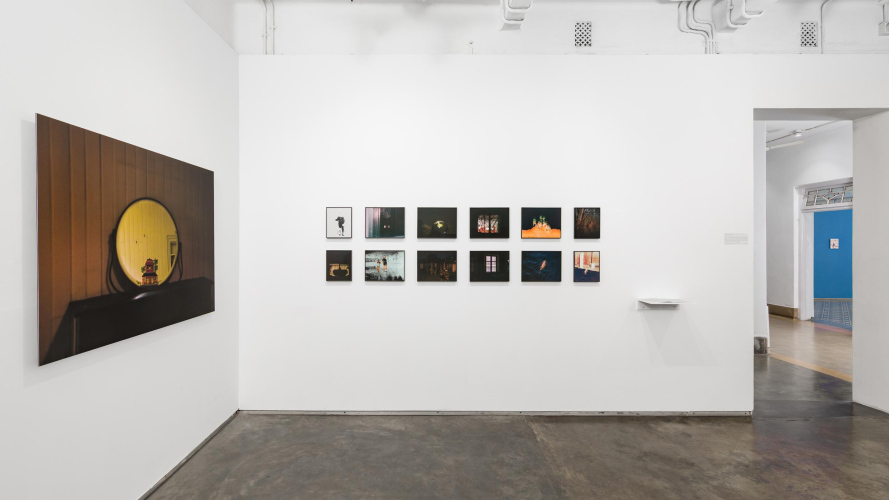
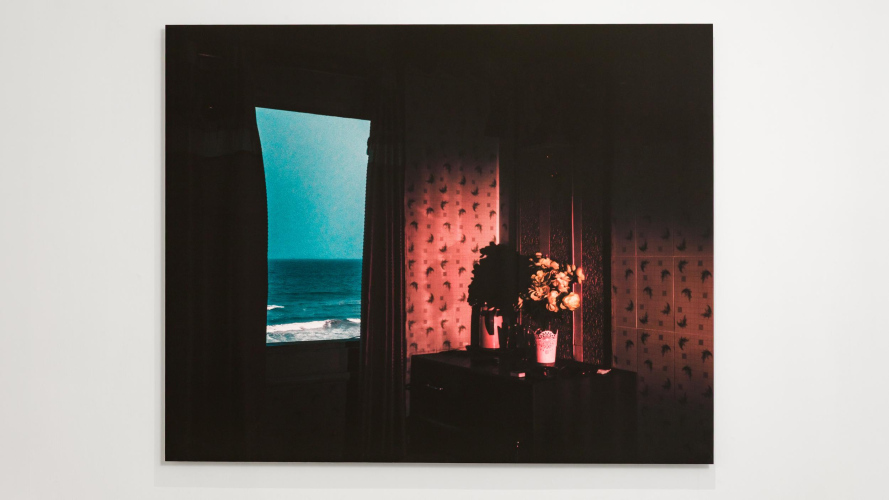
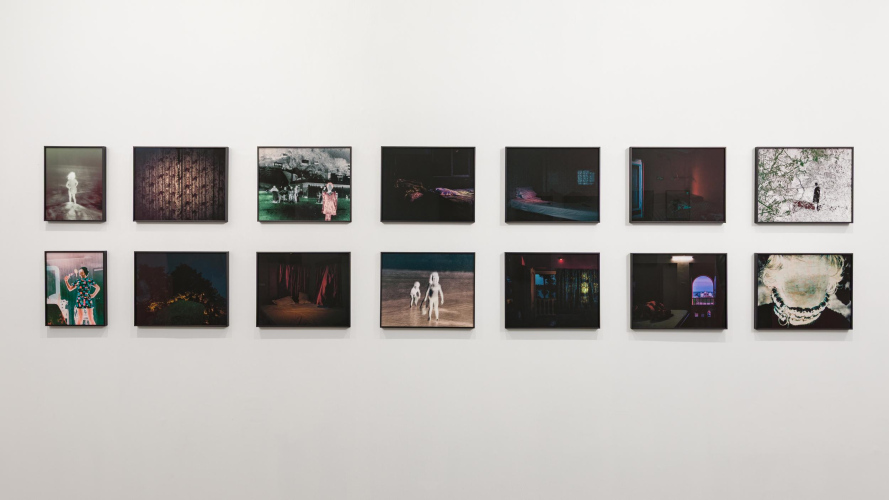
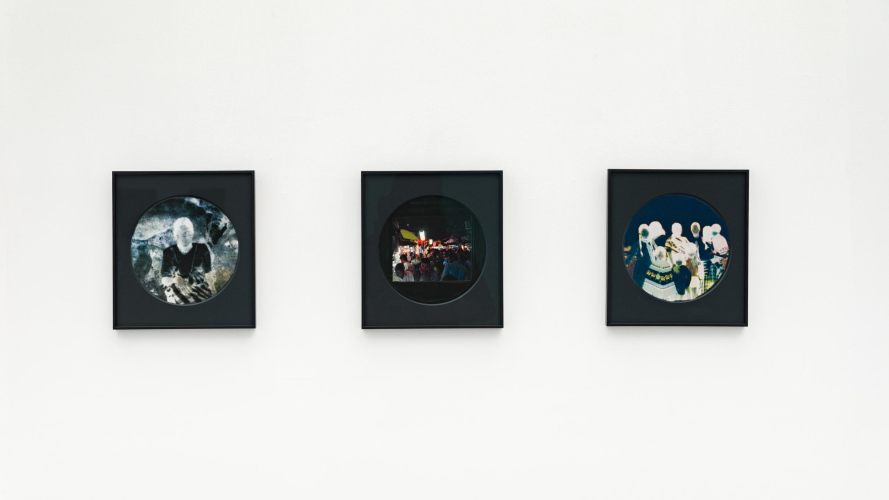
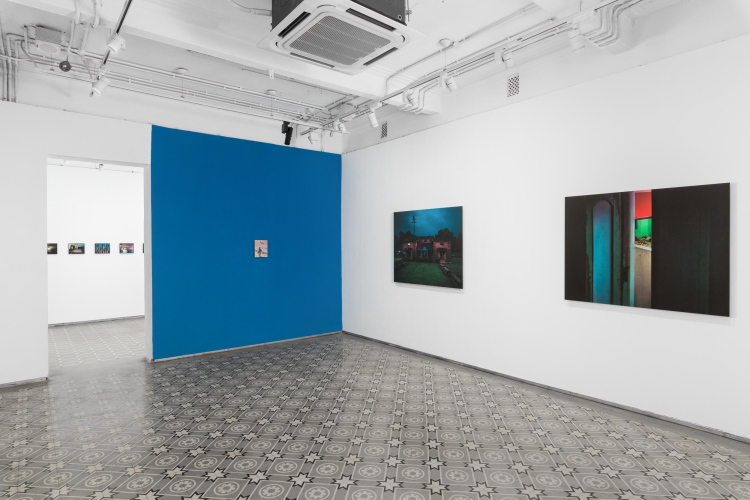
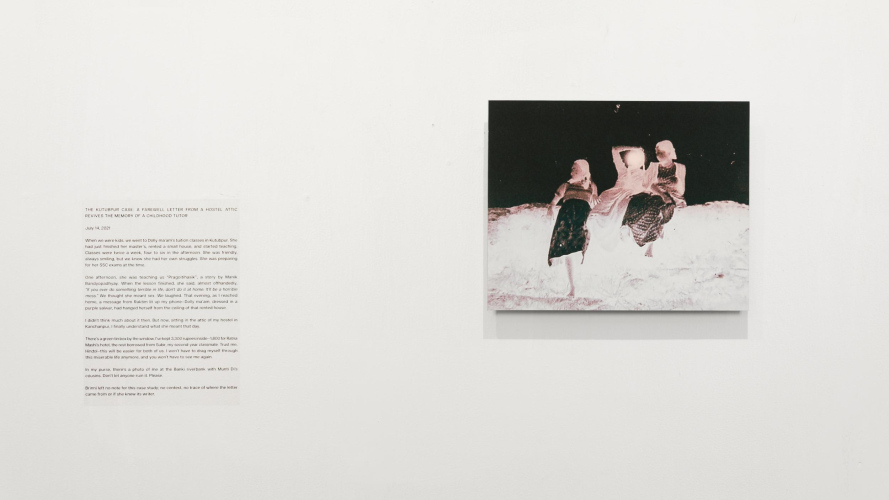
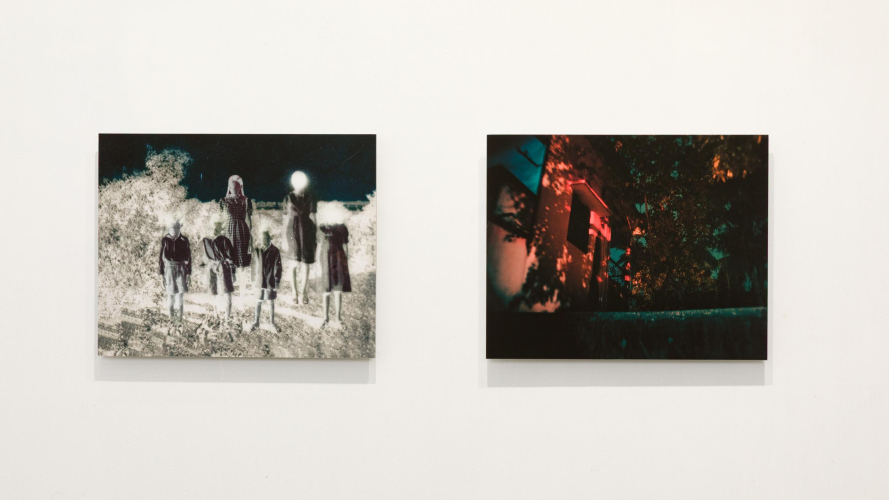
Assembled as ‘case studies’, the work resonates with a forensic impulse. The emphasis, instead of being on the scene of crime, lies on the wounds that permeate our everyday existence. Drawing upon the smattering of clues left within the diary pages, each suite of images drafts a character sketch. In one case, a typology of objects in a middle-class home, in another a set of images of streets in a neighbourhood. A series with multiple scenes of hotel rooms for Sreemoyee, who was found hanging at Sea View in Puri. Here, the photograph is not deployed to produce a record of the incident. Likened to a game of hide-and-seek, rather than show and tell, the work embodies photography’s historically tenuous relationship with evidence. In its interpretations of Brinni’s writings on death, it leads us to imagine the lives of those that passed.
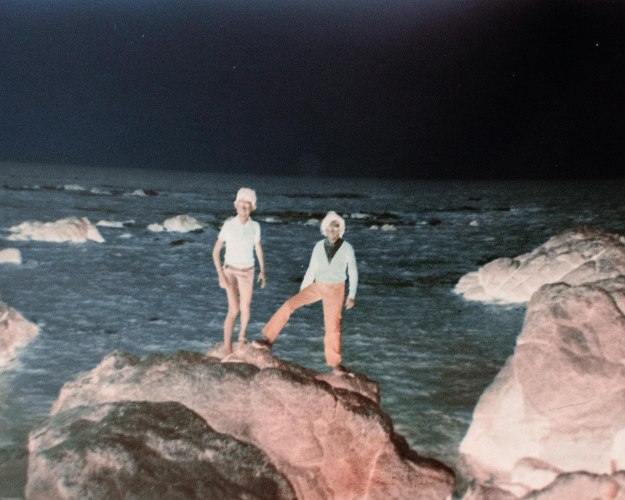
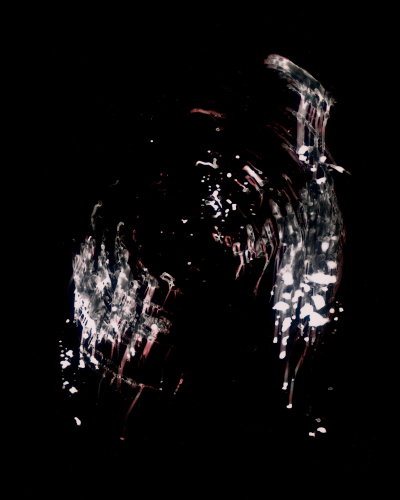
The archive, pivotal in presence, emerges as a cipher. Carrying gestures and enactments of human existence, it beckons us towards Brinni’s chosen individuals. A family photograph in front of a bridge, another of two children playing on the beach, an image of a young woman standing tall smelling a flower. Familiar scenes from the family album. As we get closer, however, the less we seem to know. The mediated negatives collapse specific identities, merging, instead, with our own memory archives and opening a terrain to imprint our own imaginations onto their surface. Acknowledging the ambiguity latent within the photographic medium, Bose obscures as he reveals. By refusing to merely illustrate the diary notes, his image constellations generate echoes of familiar, everyday traumas and neglect that often drive ordinary individuals to the brink of taking their own lives.
We Need to Talk in Whispers brings to view that which is pervasive, and yet, remains marred by a resistance to narrating aloud. In a time where scores of individuals are plagued by mental distress, it pushes us to contend with the discomfort of fatality’s grip on the mind. It asks us to attenuate to these lower registers, which carry the weight of our psyches and interior landscapes. When we learn to listen to, and learn from, the whispers, we may hold space for those that wrestle, often alone, with untimely ends.
- by Tanvi Mishra